2026-10-12 ·
St. Augustine Grass Alert: Signs Chinch Bugs Are Killing Your Lawn
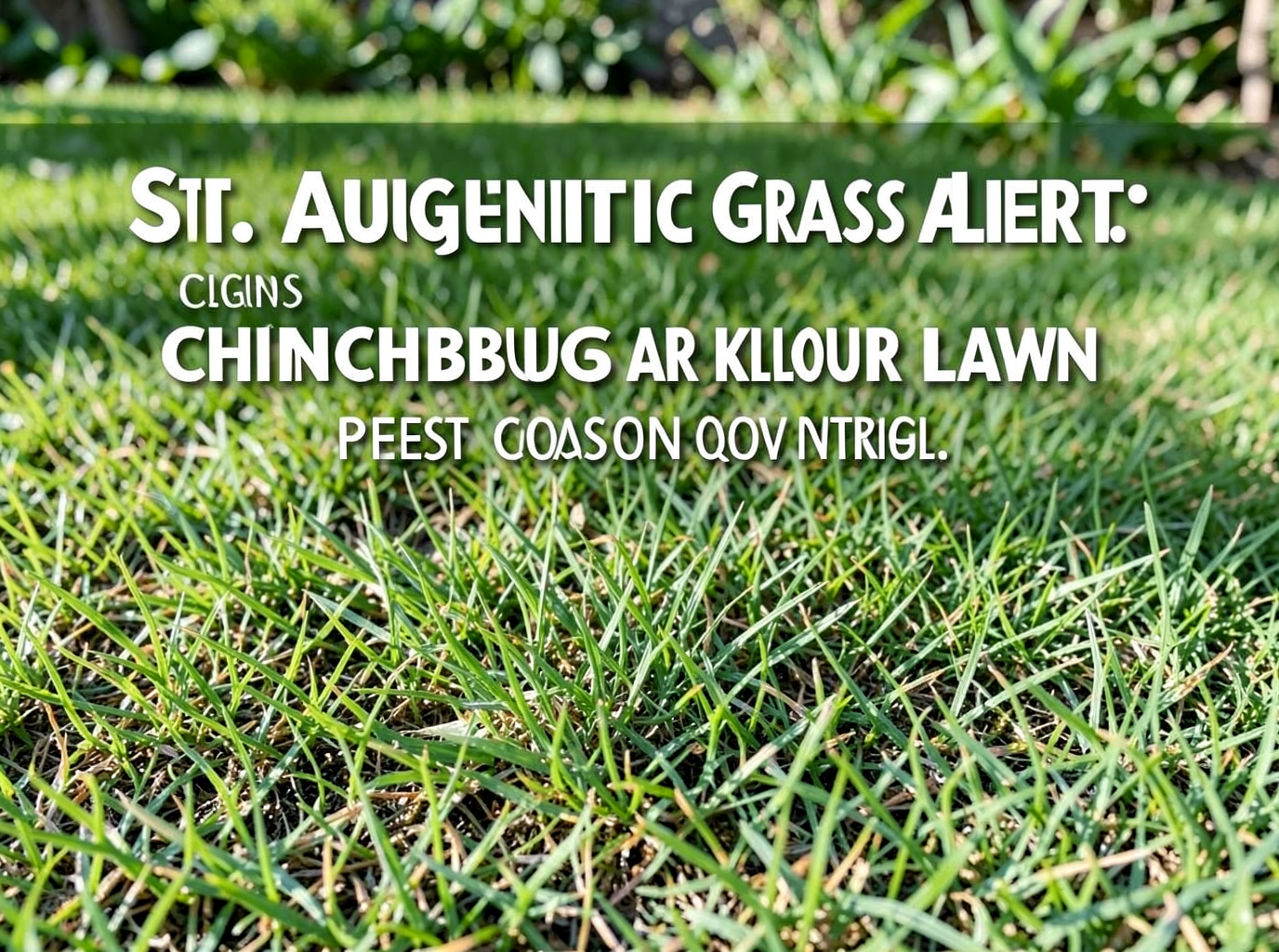
If your St. Augustine grass is showing signs of stress, particularly in the warmer months, chinch bugs are a likely culprit. These tiny, sap-sucking insects can cause significant damage, often mistaken for drought stress, leading to widespread browning and eventual death of turf if left untreated. In St. Augustine and the surrounding areas, where St. Augustine grass is a predominant choice for its resilience and lush appearance, identifying chinch bug infestations early is critical. The damage typically starts as small, irregular yellow patches that quickly expand into large, dead areas, especially in sunny, hot locations like those found in neighborhoods near the Intracoastal Waterway or out towards Elkton. The key is to act quickly, as a severe infestation can destroy a lawn in a matter of weeks.
Understanding St. Augustine Grass and Chinch Bugs
St. Augustine grass, known for its broad, flat blades and dense growth, thrives in the humid, subtropical climate of St. Johns County. However, this very environment also makes it a prime target for chinch bugs, specifically the southern chinch bug (Blissus insularis). These pests are tiny, measuring only about 0.1 to 0.2 inches long, making them difficult to spot with the naked eye. They feed by piercing the grass blades and sucking out the plant's juices, injecting a toxin that disrupts water and nutrient transport within the grass. This feeding habit is what causes the characteristic yellowing, browning, and eventual death of the turf. The lifecycle of a chinch bug from egg to adult can be as short as 4 to 6 weeks, meaning multiple generations can occur within a single growing season, leading to rapid population growth and escalating damage.
Early Warning Signs of Chinch Bug Damage
Identifying chinch bug damage early is paramount to saving your St. Augustine lawn. Many homeowners in areas like Crescent Beach or Vilano Beach often confuse chinch bug damage with simple drought stress, leading to delayed treatment. However, there are distinct differences. Drought-stressed grass will typically recover with adequate watering, while chinch bug damage will continue to worsen even with regular irrigation. Look for these specific indicators:
- Irregular Yellow Patches: The initial signs are often small, irregular yellow areas that appear to be drying out. These patches will not recover with watering and will grow larger over time.
- Progression to Brown and Dead Turf: As the infestation progresses, the yellow patches will turn brown and eventually become completely dead, straw-like areas. These dead zones often have a distinct, sharp border where live grass meets dead grass.
- Preference for Sunny, Hot Areas: Chinch bugs thrive in hot, dry conditions. You'll often find the most severe damage in areas of your lawn that receive direct, intense sunlight, such as along driveways, sidewalks, or south-facing slopes.
- Presence of the Bugs Themselves: While small, you can sometimes spot chinch bugs by getting down on your hands and knees and parting the grass at the edge of a damaged area. You might see tiny, black-bodied insects with white wings that have distinctive black triangular markings.
- Water Test: A simple test involves cutting both ends out of a coffee can and pushing it into the soil at the edge of a damaged area. Fill the can with water and wait about 5-10 minutes. If chinch bugs are present, they will float to the surface as they try to escape the water.
Differentiating Chinch Bug Damage from Other Lawn Issues
In St. Augustine, several factors can cause lawn stress, making accurate diagnosis crucial. It's easy to mistake chinch bug damage for fungal diseases, nutrient deficiencies, or even simple heat stress. For instance, brown patch disease, a common fungal issue in humid Florida, also causes circular brown areas. However, brown patch typically affects the base of the grass blades, leaving the tips green, and often has a characteristic dark, water-soaked appearance at the perimeter of the patch. Chinch bug damage, conversely, leads to a more uniform browning and complete desiccation of the grass blade. Similarly, while nutrient deficiencies might cause yellowing, they usually affect the entire lawn or specific zones in a more uniform pattern, rather than the irregular, expanding patches characteristic of chinch bugs. If you're unsure, it's always best to consult with a local pest control expert who understands the nuances of St. Johns County lawns.