
2026-10-12 ·
Why Roof Rats Love Florida Attics (And How They Get Inside)
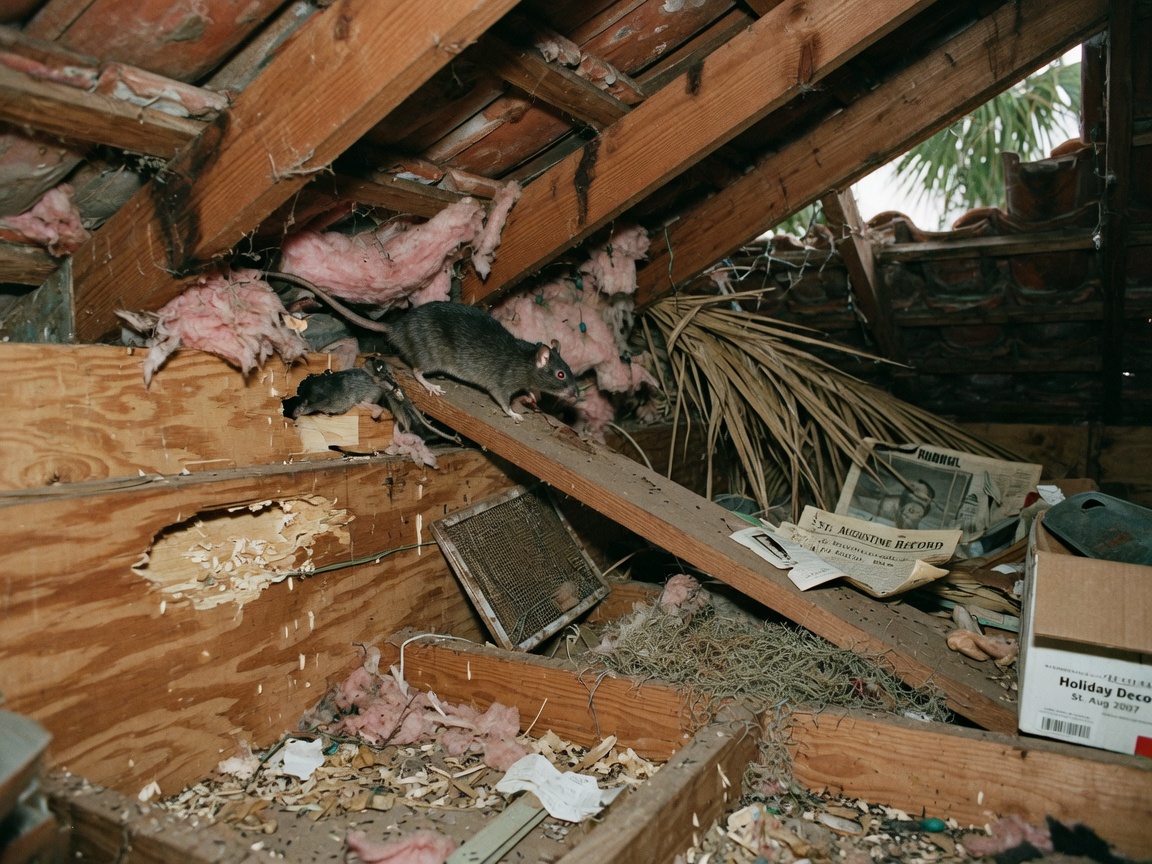
Roof rats, also known as black rats or ship rats, are a significant problem for homeowners in St. Augustine and the surrounding areas, particularly because they love Florida attics. Their preference for elevated nesting sites, combined with the region's lush vegetation and older housing stock, creates an ideal environment for them to thrive. These agile rodents are drawn to attics for shelter, warmth, and proximity to food and water. They typically gain access through openings as small as 1/2 inch, using their climbing prowess to exploit vulnerabilities in rooflines, eaves, and utility penetrations. Once inside, they can cause substantial damage, gnawing on electrical wires, insulation, and wooden structures, posing fire hazards and significant repair costs. Understanding their habits and entry methods is the first step in effective rodent control.
Why St. Augustine Attics Are a Roof Rat Paradise
St. Augustine's unique climate and environment contribute significantly to its appeal for roof rats. The warm, humid conditions year-round mean that these rodents don't face harsh winters that might naturally reduce their populations in other regions. Instead, they can breed and flourish continuously. Our area, with its mature trees like oak and palm, provides an abundance of natural food sources, such as fruits, nuts, and seeds, which are staples in a roof rat's diet. This constant food supply, coupled with readily available water sources, makes the St. Augustine area a prime location for these pests. Many homes in neighborhoods like Lincolnville, Davis Shores, and Vilano Beach, often feature older construction with more potential entry points, such as loose fascia, damaged soffits, or gaps around utility lines, making them particularly susceptible to infestations. The dense foliage and proximity to water bodies also offer excellent cover and travel routes for rats to reach homes unnoticed.
Common Entry Points: How They Get Inside
Roof rats are incredibly adept climbers and exploit a variety of weaknesses in a home's exterior to gain access to attics. They don't need much space; a gap the size of a quarter is often enough for a juvenile rat to squeeze through. We frequently find entry points in the eaves, where the roof meets the walls, especially if the soffit vents are damaged or improperly screened. Gaps around pipes, wires, and other utility lines entering the home are also common access points. Look for openings near the roofline, such as loose or missing shingles, deteriorated fascia boards, or uncapped chimneys. Even tree branches overhanging the roof can serve as a bridge for these agile rodents, allowing them to bypass lower defenses. Understanding these vulnerabilities is crucial for effective <a href="/services/rodent-proofing-and-exclusion">rodent proofing and exclusion</a>, preventing future infestations in your St. Augustine home.
Signs of a Roof Rat Infestation
Identifying a roof rat problem early can prevent extensive damage. One of the most common indicators is hearing scratching, scurrying, or gnawing noises in your attic or walls, particularly at night when these nocturnal creatures are most active. You might also find droppings, which are typically spindle-shaped, about 1/4 to 1/2 inch long, and scattered in areas where rats are active, such as along beams or near stored items. Gnaw marks on wooden structures, electrical wires, or even plastic pipes are another clear sign, indicating their constant need to chew to keep their incisors sharp. Nests made of shredded insulation, fabric, or paper might be visible in secluded corners of the attic. Sometimes, homeowners even notice a musky odor, especially in severe infestations, which is caused by their urine and droppings. If you suspect a problem, professional <a href="/services/roof-rat-control">roof rat control</a> is essential.
The Dangers of an Untreated Infestation
Ignoring a roof rat infestation can lead to serious consequences for your St. Augustine property. Beyond the unsettling presence of rodents, their gnawing habits can create significant hazards. Chewing on electrical wires is a major fire risk, a concern we frequently encounter in older homes throughout St. Johns County. Damaged insulation reduces your home's energy efficiency, leading to higher utility bills. Furthermore, roof rats are carriers of various diseases, including salmonellosis and leptospirosis, which can be transmitted through their droppings, urine, or bites, posing a health risk to your family and pets. They can also introduce other pests, such as fleas and ticks, into your home. Prompt action is crucial to protect your property and the health of its occupants. For comprehensive solutions, consider our <a href="/services/rodent-control">rodent control services</a>.
Prevention is Key: Keeping Roof Rats Out
Preventing roof rats from entering your St. Augustine home involves a multi-faceted approach focused on exclusion and habitat modification. Start by trimming tree branches and shrubs away from your roofline and exterior walls, eliminating natural bridges for rats. Seal all potential entry points, including gaps around utility lines, vents, and any openings in the fascia or soffits, using durable materials like steel wool, hardware cloth, or cement. Ensure screens on windows and vents are intact and properly installed. Store food in airtight containers, both inside and outside your home, and keep garbage cans tightly sealed. Regularly inspect your attic and exterior for any new vulnerabilities. By being proactive and addressing these issues, you can significantly reduce the likelihood of roof rats making your attic their home. For further insights into pest management, you might find our article "<a href="/blog/palmetto-bug-vs-german-cockroach-which-infestation-are-you-facing">Palmetto Bug vs. German Cockroach: Which Infestation Are You Facing</a>" helpful in identifying other common Florida pests.